
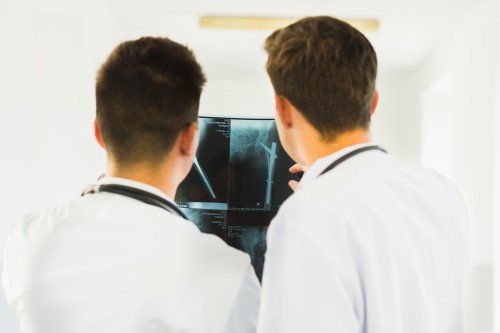
Medical tests can sometimes feel unfamiliar, especially when you are visiting a diagnostic imaging centre for the first time. Whether your doctor has recommended an X-ray, ultrasound, CT scan, or another imaging test, understanding the process can help you feel more comfortable. If you are searching for Radiology in Punjabi Bagh, knowing what happens before, during, and after your appointment can make your visit easier to manage.
Radiology plays an important role in modern healthcare by helping doctors examine internal structures of the body and investigate symptoms. With the right preparation and clear instructions from healthcare professionals, most routine imaging appointments can be completed smoothly.
During your first visit to a radiology centre, you can expect registration, a review of your doctor’s prescription, and instructions for the recommended imaging test. Depending on the procedure, you may need to change clothes, follow fasting instructions, or remove metal objects. A qualified professional performs the examination, and a radiologist interprets the images before the report is shared.
Understanding What Radiology Means
Radiology is a medical specialty that uses imaging techniques to help healthcare professionals assess injuries, investigate symptoms, and monitor certain medical conditions. Your doctor may recommend a particular scan based on your symptoms, medical history, and the information needed to guide further care.
Common diagnostic imaging services include:
- X-ray: Helps examine bones, certain chest conditions, and some other structures.
- Ultrasound: Uses sound waves to produce images of organs, soft tissues, and structures such as the developing baby during pregnancy.
- CT scan: Combines X-ray images to create detailed cross-sectional views of the body.
- MRI: Uses a strong magnetic field and radio waves to produce detailed images of selected tissues and organs.
Not every centre offers every imaging service. Your doctor will recommend the test most appropriate for your clinical needs.
How to Prepare for Your First Radiology Appointment
A little preparation can help prevent delays and make the examination more comfortable. Before leaving home, check the appointment details and follow any instructions provided by your doctor or the diagnostic centre.
Carry Your Prescription and Previous Reports
Bring your doctor’s prescription or referral, relevant previous imaging reports, and any medical records related to the condition being investigated. These documents help the radiology team understand which area needs examination and whether earlier images are available for comparison.
Also carry a list of your current medicines if relevant. Tell the staff if you have allergies, kidney problems, or a history of reactions to contrast material, particularly if your test may involve an injected contrast agent.
Ask Whether You Need to Fast
Preparation varies according to the examination. Some ultrasound procedures require fasting, while others do not. Many routine X-rays need little or no special preparation.
For a CT scan or MRI, the instructions depend on the body part being examined and whether contrast material or sedation is planned. Always follow the centre’s specific guidance rather than assuming that fasting is necessary for every scan.
Inform the Staff About Pregnancy or Medical Devices
If you are pregnant, think you may be pregnant, or are breastfeeding, tell the healthcare team before the examination. This is especially important before imaging that uses ionising radiation or when contrast material may be considered.
For an MRI, disclose any pacemaker, implant, surgical clip, or other medical device. Some devices are MRI-safe under specific conditions, while others may require additional checks. The radiology team must confirm safety before proceeding.
What Happens When You Arrive at a Radiology Centre in Punjabi Bagh?
Your first visit generally begins with registration and verification of the requested examination. Staff may ask you to confirm your details, provide your prescription, and answer questions about your symptoms and medical history.
Next, a radiographer, sonographer, or another appropriately trained professional will explain the procedure and provide any necessary instructions. Depending on the test, you may need to change into a gown, remove jewellery, or position yourself on an examination table.
If you are looking for radiology services in Punjabi Bagh, confirm the availability of the specific test, appointment requirements, preparation instructions, and expected report collection time before visiting.
What to Expect During Different Imaging Tests
During an X-ray
You may be asked to stand, sit, or lie in a particular position. The professional taking the images will guide you and may ask you to remain still or briefly hold your breath. The actual image capture usually takes only a short time, although positioning and administrative steps can take longer.
During an Ultrasound
The professional usually applies a water-based gel to the skin and moves a handheld device called a transducer over the area being examined. The test generally does not use ionising radiation. Depending on the body part, you may need a full bladder or an empty stomach.
During a CT Scan
You will generally lie on a table that moves through a ring-shaped scanner. You may need to remain still or hold your breath briefly. Some CT examinations use contrast material to make particular structures easier to see. If contrast is planned, staff will explain the relevant precautions and ask about potential risks.
During an MRI
You lie on a movable table that enters a scanner. The examination can take longer than a routine X-ray, and the machine produces loud knocking sounds. You may receive ear protection and need to remain still throughout the scan. Tell staff beforehand if you experience claustrophobia or have difficulty staying in one position.
Is Radiology Safe, and Are There Any Risks?
Most diagnostic imaging procedures are routinely performed, but their risks depend on the test and your individual circumstances. X-rays and CT scans use ionising radiation, so healthcare professionals consider whether the expected diagnostic benefit justifies the exposure. Ultrasound and MRI do not use ionising radiation.
Some examinations involve additional considerations, such as reactions to contrast material or restrictions associated with certain medical implants. Inform the radiology team about relevant health conditions and follow its safety instructions. Do not avoid a medically necessary examination solely because you are worried; discuss your concerns with your doctor so you can make an informed decision.
What Happens After the Examination?
After many routine X-rays, ultrasound scans, and MRI examinations, you can usually return to your normal activities unless your healthcare team gives different instructions. If you received sedation or another special intervention, you may need additional recovery time or someone to accompany you home.
A radiologist reviews the images and prepares a report. The time required depends on the type of examination, the complexity of the findings, and the centre’s reporting process. Ask when and how you will receive your results.
Remember that images and reports should be interpreted alongside your symptoms, examination findings, and medical history. Your treating doctor can explain what the findings mean and whether further tests or treatment are needed.
How to Choose a Suitable Radiology Centre
When comparing diagnostic imaging centres in and around Punjabi Bagh, consider more than distance or price. Check whether the centre offers the test prescribed by your doctor and whether qualified professionals oversee the examination and reporting.
Useful questions to ask include:
- Is the required imaging test available at this location?
- Are the preparation instructions provided clearly?
- What is the expected turnaround time for the report?
- Are previous images and reports accepted for comparison?
- What are the charges, and are additional fees applicable for contrast or other services?
- Are accessibility arrangements available if you have difficulty walking or require assistance?
Choose a facility that explains the process clearly, follows appropriate safety procedures, and provides a reliable way to access your report. For services at Sodhi Nursing Home, contact the facility directly to confirm available radiology investigations, appointment arrangements, and reporting timelines before planning your visit.
Frequently Asked Questions
1. Do I need a doctor’s prescription for a radiology test?
Requirements vary by examination and facility. A doctor’s prescription or referral is useful because it identifies the clinical concern and the appropriate imaging test. Some centres may accept self-referred patients for certain services, subject to their policies and applicable requirements. Contact the facility beforehand to confirm what documents you need.
2. How long does a radiology appointment usually take?
The duration depends on the type of examination. A routine X-ray may take only a few minutes, while an ultrasound, CT scan, or MRI may require more time for preparation, positioning, and image acquisition. Registration and waiting can add to the visit. Ask the centre for an estimated appointment duration.
3. Is diagnostic imaging safe during pregnancy?
Some imaging tests can be performed during pregnancy when medically necessary, but the choice depends on the clinical situation. Ultrasound and MRI without contrast are often preferred when appropriate. X-rays and CT scans may still be justified if they provide essential information. Always inform your doctor and the radiology team about a possible pregnancy before the test.
4. When will I receive my radiology report?
Report turnaround times vary according to the examination, reporting workload, and complexity of the findings. Some routine reports may be available on the same day, while others take longer. Confirm the expected timeline when booking your appointment and ask how to access the report. Your doctor should interpret the findings in the context of your symptoms.
5. How can I choose a reliable radiology centre in Punjabi Bagh?
Check whether the centre provides your prescribed examination, has appropriately qualified professionals, follows imaging safety procedures, and explains preparation requirements clearly. You should also confirm charges, report turnaround times, accessibility, and how previous images can be reviewed. Choosing a facility that communicates transparently can make the diagnostic process easier to navigate.
Conclusion
Your first radiology appointment can feel much easier when you understand the process, prepare the necessary documents, and follow the instructions provided by your healthcare team. From X-rays and ultrasound to CT and MRI scans, each examination serves a different purpose and may involve specific preparation and safety considerations. When exploring Radiology in Punjabi Bagh, check the availability of your prescribed test, the qualifications of the professionals involved, the expected reporting time, and the facility’s safety procedures. If your doctor has recommended diagnostic imaging, contact SODHI Nursing Home before visiting to confirm the requirements. Discuss your results with your treating doctor to understand the findings and decide on the appropriate next steps.