
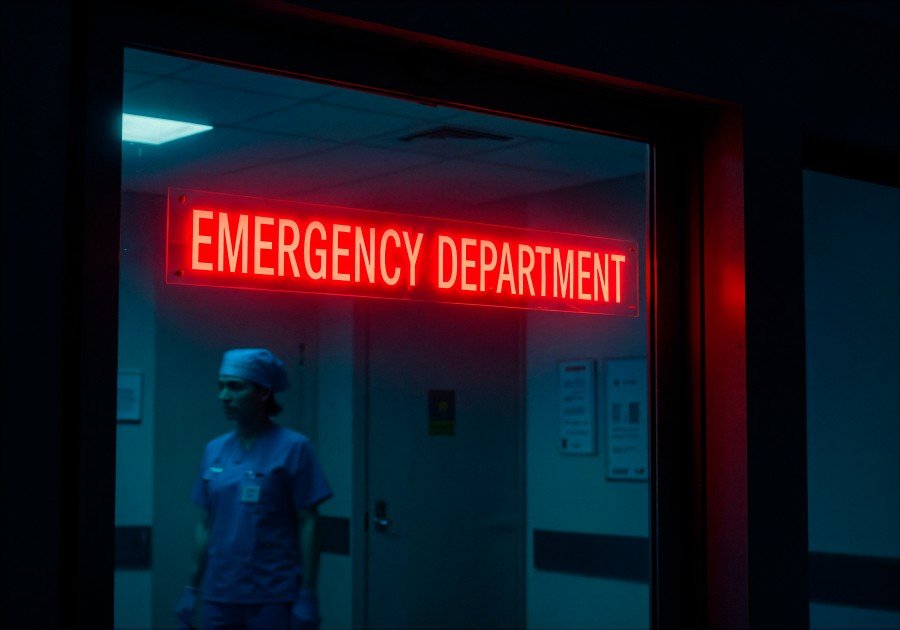
Medical emergencies rarely happen at convenient times. A sudden injury, severe abdominal pain, breathing difficulty, heavy bleeding, or a rapid change in health can require immediate attention, even late at night. Knowing when to seek urgent medical help can prevent delays and provide reassurance when every minute matters. Access to 24×7 emergency care in West Delhi can be especially valuable for families who need medical assistance outside regular clinic hours. Whether you are dealing with a sudden illness or an unexpected injury, understanding the warning signs can help you make a safer decision.
You should visit SODHI Nursing Home when symptoms are sudden, severe, rapidly worsening, or potentially life-threatening. Chest pain, breathing difficulty, unconsciousness, severe bleeding, serious injuries, seizures, stroke symptoms, and severe abdominal pain require prompt medical assessment rather than waiting for a routine appointment.
What Does 24×7 Emergency Care Mean?
SODHI Nursing Home provides medical assistance around the clock, including nights, weekends, and holidays. This access matters because some conditions cannot safely wait until a regular outpatient clinic opens.
Emergency care focuses on rapid assessment, stabilisation, diagnosis, and appropriate treatment or referral. Depending on the facility and the patient’s condition, care may include clinical examination, monitoring of vital signs, basic diagnostic evaluation, wound management, medication, and referral to a higher-level hospital when advanced intervention is necessary.
Therefore, patients should consider both the severity of symptoms and how quickly they are changing.
When Should You Seek Emergency Medical Care?
Some symptoms require immediate medical evaluation. Do not wait for a routine appointment if you or someone around you develops:
- Severe difficulty breathing or sudden shortness of breath
- Chest pain, pressure, or tightness, particularly with sweating or nausea
- Loss of consciousness or sudden unresponsiveness
- Seizures or a sudden change in awareness
- Severe or uncontrolled bleeding
- Serious burns, falls, or other significant injuries
- Sudden weakness, facial drooping, confusion, or difficulty speaking
- Severe and sudden abdominal pain
- Persistent vomiting accompanied by concerning symptoms
- A serious allergic reaction involving breathing or swelling
- Severe dehydration or a rapidly deteriorating condition
These signs do not always indicate a specific diagnosis. However, they warrant prompt assessment because delaying care can sometimes increase the risk of complications.
Recognising Possible Stroke Symptoms
Stroke symptoms can appear suddenly. A simple way to remember important warning signs is to look for facial weakness, arm weakness, and speech difficulty.
For example, one side of the face may droop, one arm may become weak, or speech may suddenly become unclear. Sudden vision problems, loss of balance, or severe unexplained headache can also be concerning.
If these symptoms occur, seek emergency medical help immediately. Do not wait to see whether they disappear.
Why 24×7 Emergency Care in West Delhi Can Be Important
West Delhi includes densely populated residential and commercial areas where people may need medical assistance at any hour. A round-the-clock emergency facility can provide an accessible first point of care when regular outpatient services are unavailable.
For families, this can be particularly useful when a child develops a concerning symptom at night, an older adult experiences a sudden health problem, or an unexpected injury occurs at home.
Moreover, timely assessment can help healthcare professionals determine whether the patient needs immediate treatment, observation, specialist consultation, or transfer to a facility with more advanced emergency resources.
Common Situations That May Need Urgent Assessment
Not every emergency looks dramatic. Some symptoms can initially appear manageable but may worsen quickly.
Sudden Abdominal or Pelvic Pain
Severe abdominal or pelvic pain can have many causes, ranging from gastrointestinal problems to conditions requiring urgent surgical or gynaecological evaluation. Pain accompanied by fainting, heavy bleeding, persistent vomiting, fever, or weakness deserves prompt medical attention.
Women experiencing severe pelvic pain, pregnancy-related concerns, or unexpected heavy bleeding should seek urgent medical assessment rather than relying solely on home remedies.
Injuries and Accidents
Cuts, falls, sports injuries, burns, and other accidents may require professional evaluation. Deep wounds, uncontrolled bleeding, suspected fractures, head injuries, or significant burns should receive prompt attention.
Even when an injury initially seems minor, worsening pain, swelling, dizziness, or changes in consciousness should not be ignored.
High Fever With Concerning Symptoms
Fever itself does not always require emergency care. However, urgent assessment may become necessary when it occurs with confusion, difficulty breathing, severe weakness, seizures, dehydration, persistent vomiting, or other serious symptoms.
Children, older adults, pregnant women, and people with significant underlying health concerns may require particularly careful assessment.
What Should You Do Before Reaching Emergency Care?
When an emergency occurs, staying calm can help you make better decisions. If symptoms appear severe, contact appropriate emergency services and arrange urgent transportation rather than attempting to manage a potentially serious condition at home.
Until professional help is available:
- Keep the affected person in a safe and comfortable position.
- Avoid giving food or drink if the person is unconscious or has difficulty swallowing.
- Do not give prescription medicines unless specifically advised by a healthcare professional.
- For significant bleeding, apply firm pressure with clean material when appropriate.
- Take relevant medical records and a list of current medicines if this does not delay emergency care.
- Clearly explain when the symptoms started and whether they have become worse.
Most importantly, do not delay urgent evaluation simply because you are uncertain about the seriousness of the symptoms.
Choosing a 24×7 Emergency Care Centre in West Delhi
When selecting emergency medical care, accessibility matters, but it should not be the only consideration. Look for a facility that clearly communicates its emergency availability and has trained healthcare professionals available to assess urgent conditions.
It is also useful to know the facility’s location and contact details before an emergency occurs. Families in areas such as Punjabi Bagh, Paschim Vihar, Rajouri Garden, Janakpuri, and surrounding parts of West Delhi can benefit from identifying nearby medical facilities in advance.
However, for severe or potentially life-threatening conditions, choose the fastest appropriate emergency option rather than delaying care to reach a preferred facility.
24×7 Emergency Care Is Not a Substitute for Routine Healthcare
Emergency services provide immediate attention when urgent symptoms arise. They do not replace preventive healthcare or regular medical consultations.
Regular check-ups, appropriate screening, medication reviews, and timely treatment can help identify health problems before they become emergencies. Likewise, patients with ongoing medical conditions should follow their clinician’s care plan and understand which symptoms require urgent attention.
When in Doubt, Get Professional Advice
People sometimes hesitate because they worry about visiting an emergency facility unnecessarily. However, when symptoms are severe, sudden, unusual, or rapidly worsening, professional assessment is safer than guessing the cause at home.
A healthcare professional can evaluate the symptoms and determine the appropriate next step.
Conclusion
Knowing when to seek urgent medical attention can make a significant difference during a health crisis. Severe breathing difficulty, chest pain, serious injuries, uncontrolled bleeding, sudden neurological symptoms, loss of consciousness, and other rapidly developing problems should receive prompt medical assessment.
For residents and families, access to 24×7 emergency care in West Delhi provides an important option when medical concerns arise outside normal clinic hours. Keep emergency contact information accessible, know the location of a nearby facility, and avoid delaying care when serious symptoms appear. If you are unsure whether a condition requires urgent evaluation, contacting a qualified healthcare professional is a sensible next step.